
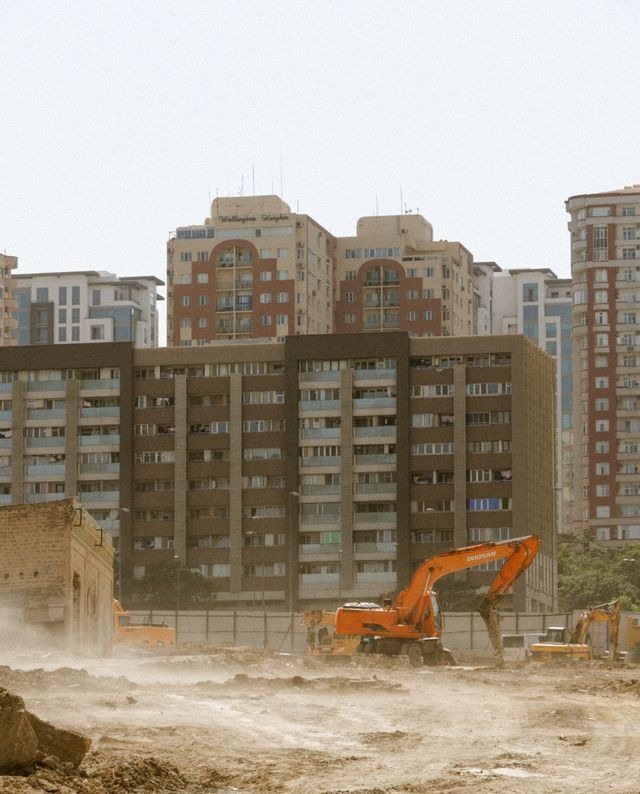
The construction sector is very instrumental in the formation of places in which humans dwell, work, and interact with each other. Every choice from the type of construction material used to the design of the neighborhoods affects the overall convenience, safety, and durability of the buildings. With changing expectations of the residences, there has been an increasing trend of paying attention to quality, sustainability, and resilience in the field. It is thus essential to comprehend the elements responsible for successful construction projects so as to be able to build sustainable residences.
Quality Construction Creates Lasting Value
Good construction is characterized by proper planning, skilled labor, and quality materials. Each step of the way, whether during the design process or during the finishing touches, plays an integral role in the durability and stability of a house. Houses constructed to be of high quality will need very few repairs, will increase the value of their property, and will ensure comfort for their occupants. Proper consideration of structural durability, energy efficiency, and quality building systems all go a long way in increasing energy efficiency of energy. By prioritizing quality instead of short-term savings, developers create neighborhoods that continue serving residents well for decades.
Assessing Construction’s Long-Term Impact
Every construction project impacts both individuals and the environment permanently. Thorough assessment of the soil, structure, environment, and existing infrastructure leads to sound decision-making regarding development. Contractors are making use of site analysis and engineering evaluation to minimize risk and increase reliability in the future. Property owners and developers should also invest in reliable seismic testing services when evaluating structural resilience in regions where ground movement may present potential challenges. Thorough assessment before, during, and after construction contributes to stronger buildings, lower maintenance expenses, and increased confidence in residential developments.
Sustainable Building Supports Future Generations
Sustainability is now a critical factor that needs to be considered in the construction business. Using energy-saving designs, green building materials, and water-saving technologies ensures conservation of resources without compromising comfort. Green building practices also ensure that operational expenses are reduced and minimal impact on the environment is created throughout the life of the building. Such things as high-performance windows, heating and cooling, use of renewable energy sources, and proper waste disposal methods ensure healthier indoor air quality as well as overall sustainability. As sustainable practices continue advancing, residential developments become better equipped to meet changing economic and environmental expectations.
Safety Strengthens Residential Communities
The safety of a neighborhood goes beyond just strong houses. It is also essential to design good roadways, walking paths, proper lighting, firefighting facilities, and emergency access. Contemporary neighborhoods have the added advantage of being secure, having efficient utilities and recreation areas that promote healthy living. Building codes and proper maintenance provide additional safety against potential dangers that can be avoided. If developers emphasize safety at every construction phase, families get the sense of security while the neighborhoods themselves become more attractive and build better neighborly relations.
Innovation Is Transforming Residential Construction
Technology is continuing to evolve and transform how houses are designed, built, and maintained. The technology of digital modeling helps ensure precision, while construction automation reduces waste and delays. The technologies for smart homes increase the convenience factor due to home security and lighting systems. In addition, the pre-fabrication of certain components along with the evolution of the manufacturing process increases consistency and decreases time spent building the house. All these factors help build a home that is efficient and comfortable.
In conclusion, better housing needs the right construction methods that ensure quality, safety, sustainability, and innovation. Good projects will have proper planning as well as consideration of long-term performance in addition to short-term benefits. Through the factors mentioned above, the construction industry is ensuring improved living conditions. These are just five examples of how proper construction techniques can lead to better neighborhoods and more satisfied homeowners.

