
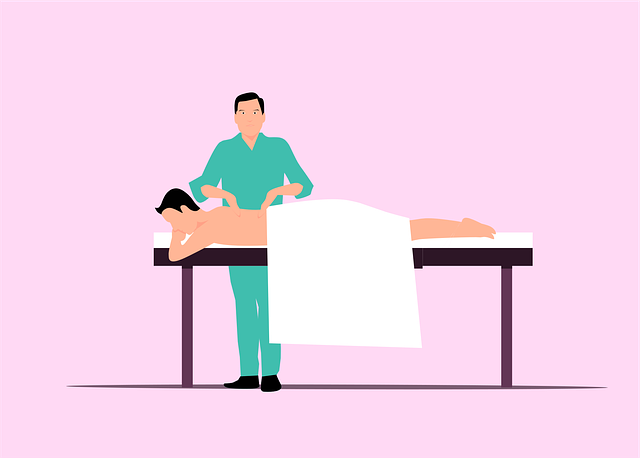
Choosing a career is about more than finding a way to earn a living. For many people, it is also about discovering work that feels meaningful, offers opportunities for personal growth, and provides a healthy balance between professional responsibilities and everyday life. Massage therapy can offer all of these advantages. As people become increasingly interested in wellness, relaxation, physical recovery, and preventive care, the demand for skilled massage therapists continues to create opportunities in different professional settings. The career can be particularly appealing to individuals who enjoy working directly with others and want their skills to have a visible, positive impact.
A Career Focused on Helping Others
One of the most rewarding aspects of becoming a massage therapist is the opportunity to make a tangible difference in people’s lives. Clients may seek massage therapy for many reasons, including relaxation after a stressful week, relief from muscle tension, support during physical recovery, or simply the desire to make wellness a regular part of their routine. A successful session can leave someone feeling more comfortable, relaxed, and confident about managing everyday physical demands. For professionals who value human connection, this can make the work especially satisfying. Unlike careers where employees rarely see the direct results of their efforts, massage therapists often receive immediate feedback from clients.
Flexible Working Opportunities
Another major advantage of massage therapy is the potential for flexibility. Depending on their qualifications, location, and professional goals, massage therapists can work in spas, wellness centers, healthcare environments, fitness facilities, hotels, rehabilitation settings, or private practices. Some professionals choose traditional employment, while others eventually establish their own businesses and determine their schedules. This flexibility can be valuable for people who want greater control over their working hours or who prefer not to follow a conventional office routine. Independent therapists may also be able to adjust their schedules around family commitments, further education, or other personal priorities. Although running a private practice requires planning and responsibility, the ability to shape a career around individual circumstances can be one of its strongest benefits.
Potential for Business Ownership
Owning a practice can provide greater independence and the opportunity to create a business based on personal values and professional interests. However, entrepreneurship also involves responsibilities beyond providing treatments. Therapists need to consider scheduling, marketing, bookkeeping, client communication, equipment, hygiene, legal requirements, and appropriate protection for their business activities. Having suitable massage therapist insurance can also be an important consideration for professionals who want to protect themselves against certain risks associated with providing services. While building a successful practice takes time, it can ultimately give experienced therapists greater control over both their professional direction and income potential.
Opportunities to Specialize and Keep Learning
Massage therapy is not a career that necessarily stays the same throughout a professional’s working life. Therapists can continue developing their knowledge and skills by exploring different techniques and areas of practice. Depending on local regulations and available training, they may specialize in areas such as sports massage, relaxation massage, therapeutic techniques, prenatal massage, or other approaches designed for particular client needs. Continued education can make the profession more interesting while also helping therapists develop a distinctive professional identity. Learning new techniques can prevent the work from becoming repetitive and can create opportunities to serve a wider range of clients. Professionals who enjoy learning through practical experience may find this ongoing development particularly rewarding because education can be directly applied to their daily work.
A Profession That Encourages Personal Development
Working as a massage therapist can encourage personal development in ways that extend beyond technical skills. Because therapists interact with people from different backgrounds and with different expectations, the profession can strengthen communication, empathy, patience, and interpersonal awareness. Therapists also need to become attentive listeners because understanding a client’s concerns and expectations is an important part of providing a positive experience. At the same time, the physical nature of the work encourages professionals to pay attention to their own posture, movement, energy levels, and general well-being. Learning how to establish professional boundaries is equally important. Over time, these experiences can help therapists become more confident, organized, and aware of how their actions influence both clients and their own working lives.
Like any career, massage therapy requires dedication, training, professionalism, and careful attention to physical and business responsibilities. For individuals who enjoy helping others and want a career with variety and flexibility, however, it can provide a rewarding path with plenty of room to grow. With experience and a commitment to quality service, massage therapists can build lasting professional relationships while creating a career that reflects their own goals and interests.

