
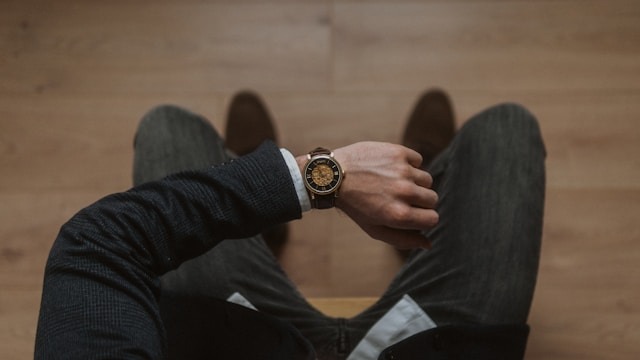
The image of an entrepreneur has changed dramatically over the years. The traditional idea of a business leader wearing a formal suit, polished shoes, and a strict corporate uniform has been replaced by a more flexible approach to personal style. Today’s entrepreneurs understand that clothing is not just about appearance; it is a reflection of identity, confidence, creativity, and the values behind their businesses.
From technology founders and creative directors to investors and independent business owners, entrepreneurs are using fashion as a way to communicate who they are. While there is no single “entrepreneur uniform,” modern business leaders tend to choose clothing that combines professionalism with comfort, individuality, and practicality.
The Rise of Smart Casual Entrepreneurship
One of the biggest changes in entrepreneurial fashion is the popularity of smart casual dressing. Many business owners have moved away from traditional corporate clothing and embraced a style that feels more natural and adaptable. Instead of wearing a suit every day, entrepreneurs often choose a combination of tailored basics, such as a well-fitted shirt, quality trousers, a refined jacket, or premium knitwear.
Smart casual clothing allows entrepreneurs to transition easily between different parts of their day. A founder may attend a morning meeting with investors, work alongside their team in the afternoon, and attend a networking event in the evening. Versatile clothing makes it possible to maintain a professional appearance without sacrificing comfort.
The focus is often on quality rather than quantity. Entrepreneurs tend to invest in timeless pieces that can be worn repeatedly and styled in different ways. A carefully selected wardrobe built around reliable essentials can create a polished image while remaining practical.
The Importance of Quality and Craftsmanship
Entrepreneurs often recognise the value of craftsmanship because it reflects many of the same qualities required to build a successful business: attention to detail, patience, and commitment to excellence. As a result, many business leaders prefer clothing and accessories that are made to last rather than following every short-lived trend.
Accessories, in particular, play an important role in entrepreneurial style. A well-designed watch, leather bag, or pair of shoes can add sophistication to a simple outfit. For some entrepreneurs, a timepiece represents more than just a practical item; it can represent achievement, personal milestones, and appreciation for skilled craftsmanship.
When selecting a statement timepiece, many entrepreneurs explore collections from a luxury watch store, where carefully crafted designs and heritage brands offer options that complement both professional and personal styles. A quality watch can become a signature part of an entrepreneur’s appearance, reflecting attention to detail and a commitment to excellence.
Technology Entrepreneurs: Minimalism and Functionality
Technology entrepreneurs have helped redefine modern business fashion. Many leaders in the technology sector are known for favouring simple, functional clothing that prioritises comfort and efficiency. Minimalist wardrobes, neutral colours, and clean designs are common choices because they allow entrepreneurs to focus on their work rather than constantly making decisions about what to wear.
Simple does not necessarily mean careless. A minimalist approach often involves selecting high-quality basics that fit well and create a consistent personal style. Items such as plain shirts, comfortable trousers, sleek trainers, and simple jackets are popular because they combine practicality with a modern aesthetic.
This style reflects the values often associated with technology businesses: innovation, efficiency, and simplicity. Entrepreneurs in this space often use clothing as an extension of their brand philosophy.
Creative Entrepreneurs: Fashion as Self-Expression
While some entrepreneurs prefer understated styles, those working in creative industries often use clothing as a form of self-expression. Designers, artists, marketing professionals, and founders of lifestyle brands may embrace bold colours, unique patterns, statement accessories, and distinctive silhouettes.
For creative entrepreneurs, fashion can become part of their personal brand. The way they dress may influence how customers, partners, and employees perceive their creativity and vision. A memorable style can help them stand out in competitive industries where personality and originality matter.
However, successful creative dressing is usually intentional rather than random. Even the most expressive outfits often include thoughtful combinations of colour, texture, and proportion. Entrepreneurs who use fashion creatively understand that clothing can be a powerful communication tool.
Sustainable and Ethical Fashion Choices
As sustainability becomes increasingly important, many entrepreneurs are changing the way they approach fashion. Business leaders who focus on environmental responsibility often choose brands that prioritise ethical production, sustainable materials, and long-lasting designs.
A smaller, carefully chosen wardrobe can support a more sustainable lifestyle. Instead of constantly purchasing new trends, entrepreneurs may invest in versatile pieces that remain stylish for years. This approach aligns with broader values of responsible consumption and conscious decision-making.
Sustainable fashion also reflects a growing awareness that business success is not only measured by financial results but also by the impact a company and its leaders have on society.
Dressing for Confidence and Influence
Ultimately, what entrepreneurs wear is closely connected to confidence. Clothing can influence how people feel and how they are perceived by others. A well-chosen outfit can help an entrepreneur feel prepared for important conversations, presentations, and negotiations.
The most successful entrepreneurial styles are not necessarily the most expensive or fashionable. They are the ones that feel authentic to the individual. Confidence comes from wearing clothing that matches personal values, professional goals, and lifestyle needs.
Entrepreneurs today have more freedom than ever before to define their own approach to business fashion. Some may prefer classic tailoring, while others choose relaxed minimalism or creative statement pieces. The common factor is that their clothing choices are intentional.
Conclusion: The New Entrepreneurial Style
The modern entrepreneur’s wardrobe is built around flexibility, authenticity, and purpose. Today’s business leaders understand that style is not simply about following rules; it is about creating a personal image that supports their ambitions.
Whether they are wearing a tailored jacket, a minimalist outfit, or a distinctive accessory, entrepreneurs are using fashion to tell their stories. Their clothing choices reflect confidence, innovation, and the ability to adapt—qualities that are essential in the ever-changing world of business.
In the end, the most powerful thing an entrepreneur can wear is a style that feels genuinely their own.

